Skip to content
ColumbusGarage Door ExpertsOpen 24/7 (289) 512-0639
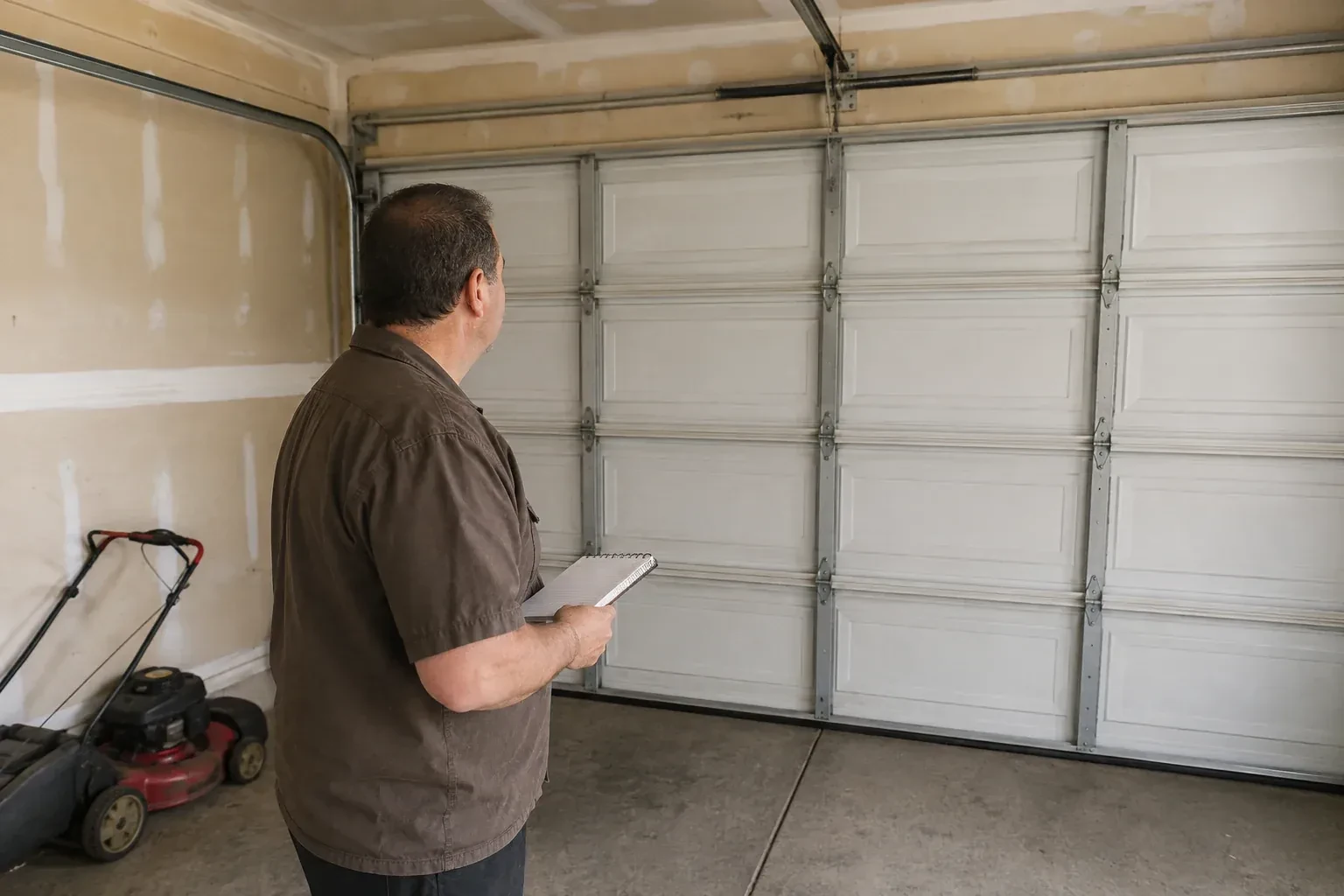
Technician holding a notebook while looking at a closed sectional door. — Garage Door Balance Adjustment, Oshawa

Springs · Oshawa

Garage Door Balance Adjustment

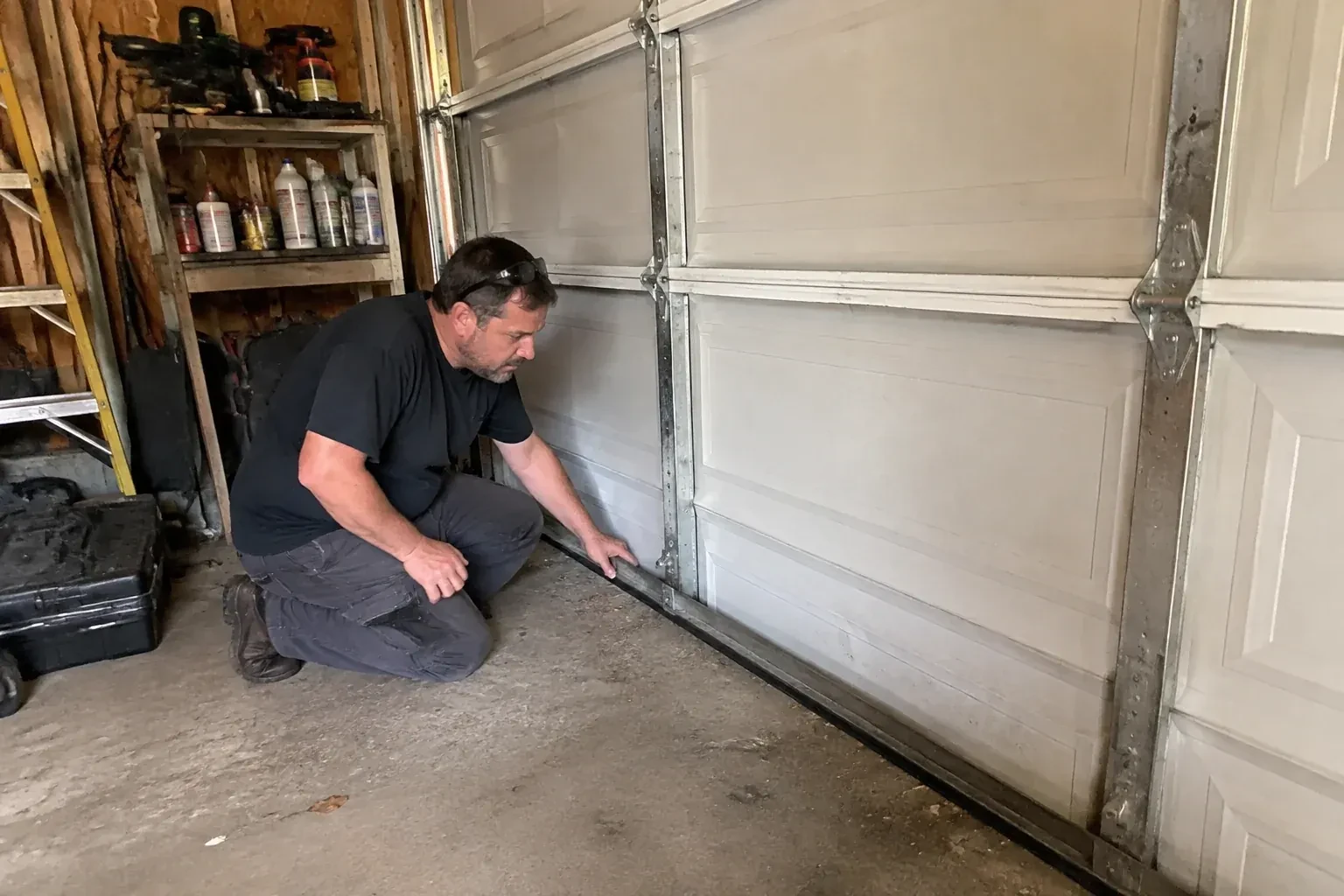
With the door closed, daylight shows under one bottom corner and the seal is squashed flat at the other. As it rises, the left side leads by an inch or two, and the top section twists slightly as it turns into the horizontal track.

In plain words

An opener is designed to move a door that is already balanced, and every safety feature in it assumes that. The force it applies is limited so the door will stop and reverse when it meets something, and that limit only makes sense when the door is close to weightless. When springs lose tension, the opener has to lift real weight, its motor and gears work harder, and it may reverse or stall for no obvious reason. A balance adjustment puts the weight back on the springs where it belongs, so the opener can return to the light duty it was built for and its reversing behaviour is dependable again.

Sound familiar?Oshawa

The call
Released from the opener, the door will not hold anywhere. Lift it to hip height, take your hands away, and it sinks back to the concrete, gathering speed on the way down. Two years ago it used to hover exactly where you left it.
NextHow the visit goes

Garage Door Balance Adjustment · Oshawa

How the visit goes

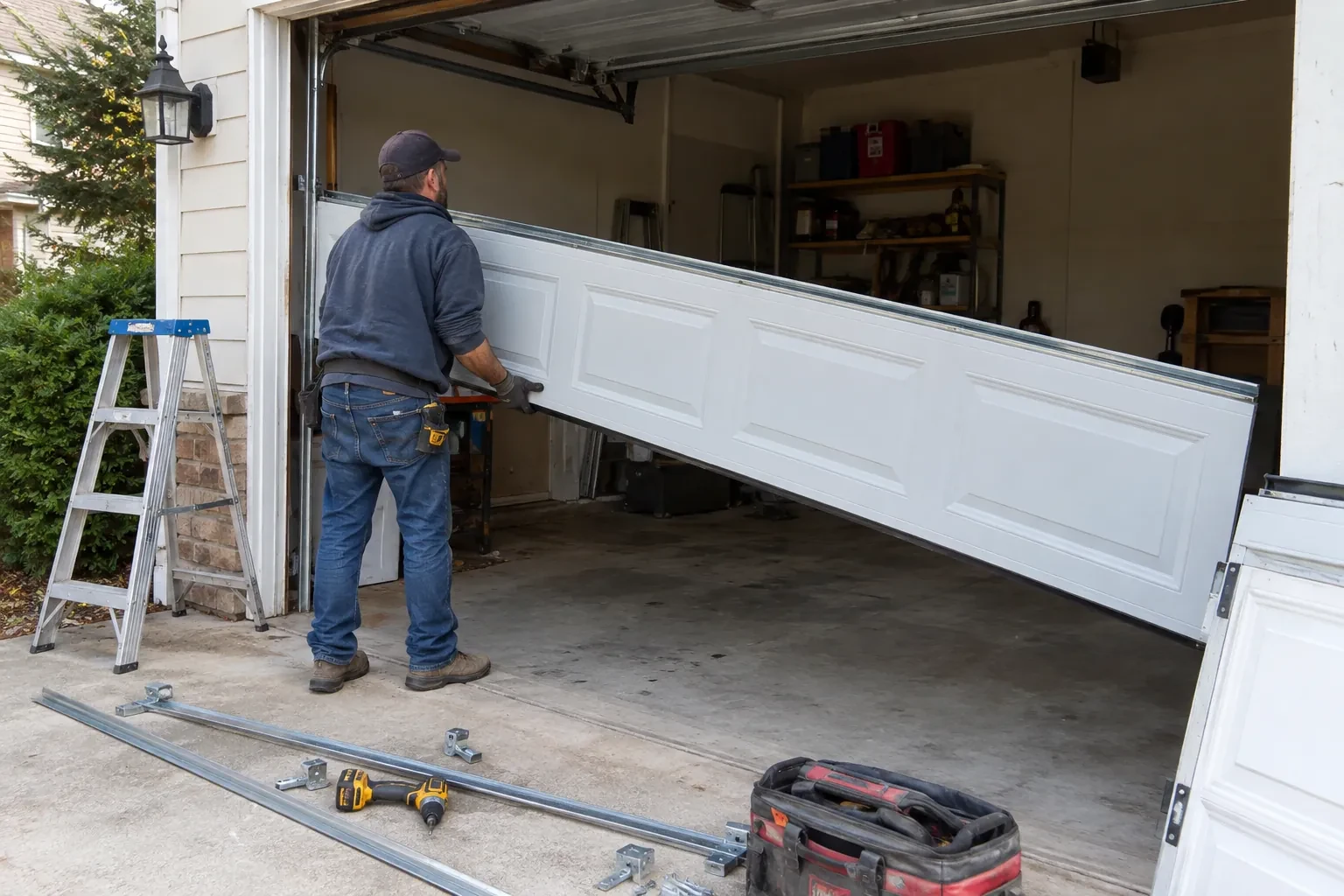
Person tilting a white paneled door section into the opening, beside metal track pieces, a drill and a tool bag.
  1. Scene 1

    Inspecting the springs before any turns are added

    Adjustment only makes sense on a spring that is sound, so each one is examined closely. On a torsion system the technician looks for a gap in the coil, rust pitting, uneven coil spacing and a cone that has slipped on the shaft, and measures the wire size, inside diameter and length to confirm the spring suits the door's weight. On extension springs the check is for stretched or opened coils, a broken end loop and the presence of a containment cable. A spring that has simply lost a little tension can be wound up; one that is undersized or near the end of its cycle life is explained and offered as a replacement instead.

  2. Scene 2

    Proving the result with the safety tests

    The visit is finished only when the standard tests pass. The technician places a piece of two-by-four flat on the floor in the door's path and closes it with the wall button; the door must strike the wood and return to fully open. Then, with the door closing again, an object is passed through the photo-eye beam, and the door must reverse. Finally the door is released once more and the hand test repeated so you can see it hold at knee height, at waist height and fully open. These are the same checks the door industry's own maintenance checklist uses, and you are welcome to watch each one.

  3. Scene 3

    Lubrication that keeps the adjustment true

    A balanced door stays balanced longer when the parts that move on every cycle are kept easy. Twice a year, spray a lubricant made for garage doors along the torsion spring, onto each hinge pin, the roller stems and bearings, and the bottom bracket pins, then run the door a few times. Wipe the tracks clean but leave them dry, since a coated track collects grit and lets rollers slide. Avoid heavy grease. Friction is part of what the hand test measures, so a door that is well lubricated reads true, and the springs are not asked to overcome drag that a moment's maintenance would remove.

In the van

  • Door scale
  • Nylon or steel rollers
  • Replacement hinges
  • Winding cone set screws
  • Containment cables

What shapes the quoteColumbus Garage Door Experts

Door out of level
A door with one corner high needs its cables reset on the drums before the tension is set, which adds a step to the visit and is listed as its own item.
Door height and lift type
Taller doors and high-lift or vertical-lift hardware carry more spring turns and different drums, so setting and testing them takes longer than a standard seven-foot door.
Corroded or seized fasteners
Set screws and cone screws that have rusted solid take time to free, and badly corroded hardware is replaced rather than reused, which shows in the parts list.

FeesSame any hour

Have it ready

Before you call · 0 / 3

(289) 512-0639

Frequently asked questions

What safety tests are done after the adjustment?

Two are standard. A piece of two-by-four is laid flat on the floor in the door's path and the door closed onto it; it must reverse and return to open. Then, as the door closes, an object is passed through the photo-eye beam near the floor, and again the door must reverse. Both depend on a balanced door, which is why they come after the adjustment rather than before.

I added insulation panels to my door. Does that affect balance?

Yes, and it is one of the most common reasons a door starts to sink. Springs are matched to the door's weight, and insulation kits, replacement sections, windows or a heavier seal add weight the original springs were not sized for. A technician can weigh the door and either add tension to suit it or, if the added weight is beyond what the springs can carry, specify new ones.

Why does my door drift upward when I let go of it?

Too much spring tension. The springs are pulling harder than the door weighs, so at rest they win and the door climbs. This often follows a spring replacement wound a turn too far, or a door that lost weight when heavy panels were swapped for lighter ones. Releasing a quarter turn or two, tested after each, brings it back to holding still.

Oshawainformation

DurhamOntario

Garage Door Balance Adjustment · Columbus

Town
Oshawa, Durham
In business
21 years
Hours
Open 24/7
Nights, weekends and holidays, same fees
Visits
On-site assessment preferred. Request a visit or call.

2021 census: what it means at the door

Every square is one home in a hundred.

  • 59 in 100 homes · older homes
  • About 59% of homes in Oshawa were built in 1980 or earlier, according to the 2021 Census.Original openers in older neighbourhoods often predate photo-eye sensors and rolling-code remotes. Bringing one up to date means a quieter motor, sensors that stop the door for a child or pet, and remotes that cannot be copied from the driveway, all installed in a single visit.
  • Single-detached houses make up about 56% of homes in Oshawa (2021 Census).Where housing is mixed, the doors are mixed as well: wide insulated doubles, narrow singles in rows and the occasional rolling door on a small commercial unit at the corner. Spring type, cable length and opener strength are matched to each door individually.

Source: Statistics Canada, Census Profile

Nearby

Open Oshawa in Google Maps

On-site assessment

Request a visit.

With the door closed, daylight shows under one bottom corner and the seal is squashed flat at the other.

(289) 512-0639, open 24/7.